Guardians of the Rainforest
The Embera tribe is one of the many indigenous groups that call Panama home, nestled in the lush landscapes of the Darien Province and the surrounding areas. Known for their rich cultural heritage, vibrant traditions, and deep connection to nature, the Embera people offer a unique glimpse into the life of Panama’s indigenous communities.
A Brief History of the Embera Tribe
The history of the Embera tribe dates back centuries, with archaeological evidence suggesting that their ancestors have inhabited the region for thousands of years. Historically, they thrived in the dense rainforests, dependent on the land for survival through fishing, hunting, and gathering. Over the years, they maintained their independence and cultural practices even in the face of colonial expansion and modernization.
Language and Culture
The Embera people speak their own language, also called Embera, which belongs to the Chibchan language family. Despite the influence of Spanish due to colonization, many Embera continue to preserve their language and traditional customs.
Traditional Practices
The Embera tribe is renowned for its rich artistic expressions, particularly in carving and crafting. They create beautiful wooden carvings, textile weaving, and intricate beadwork. These crafts are not only artistic endeavors but also hold cultural significance, often depicting stories, legends, and the natural world around them.
Music and Dance
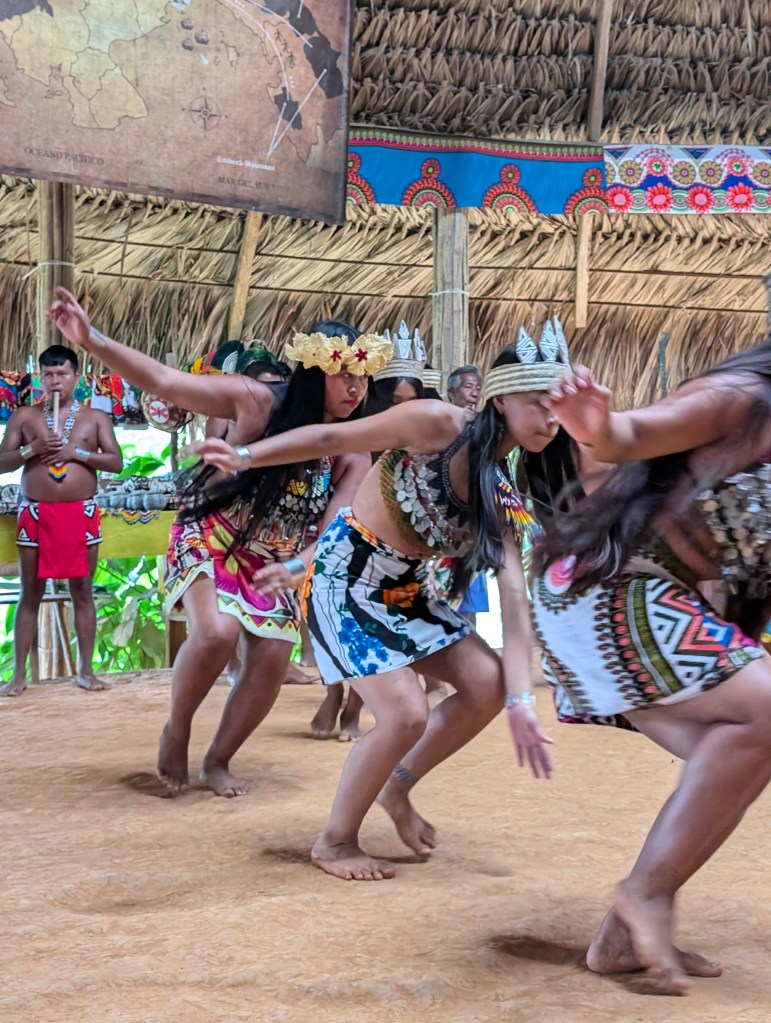
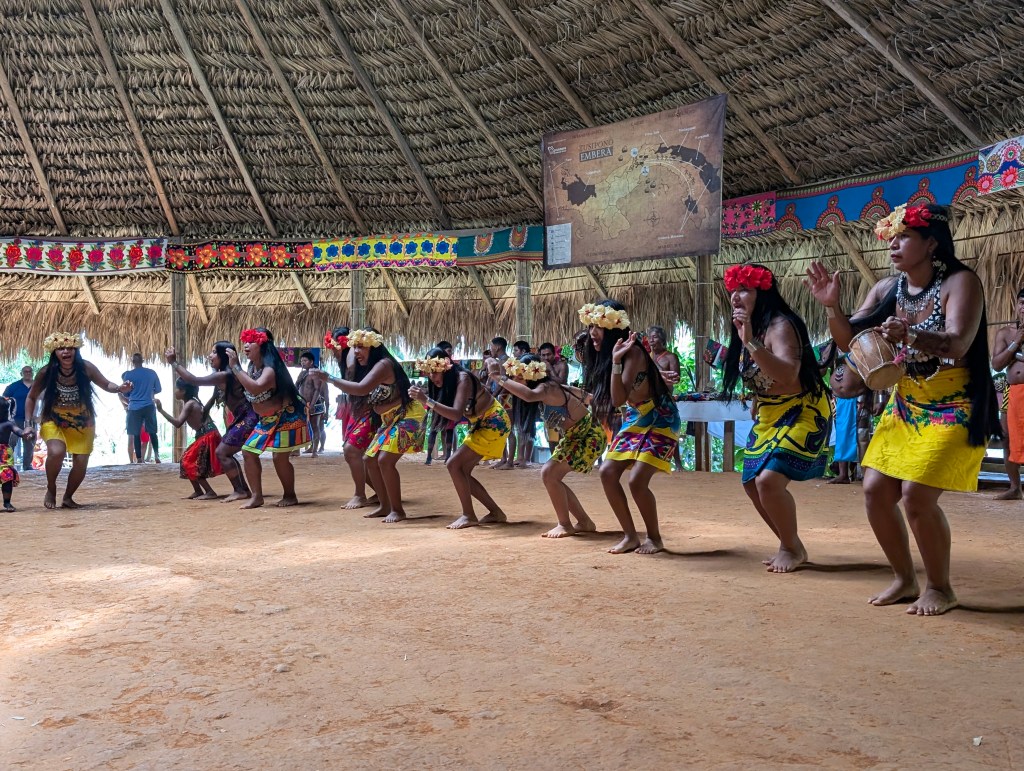
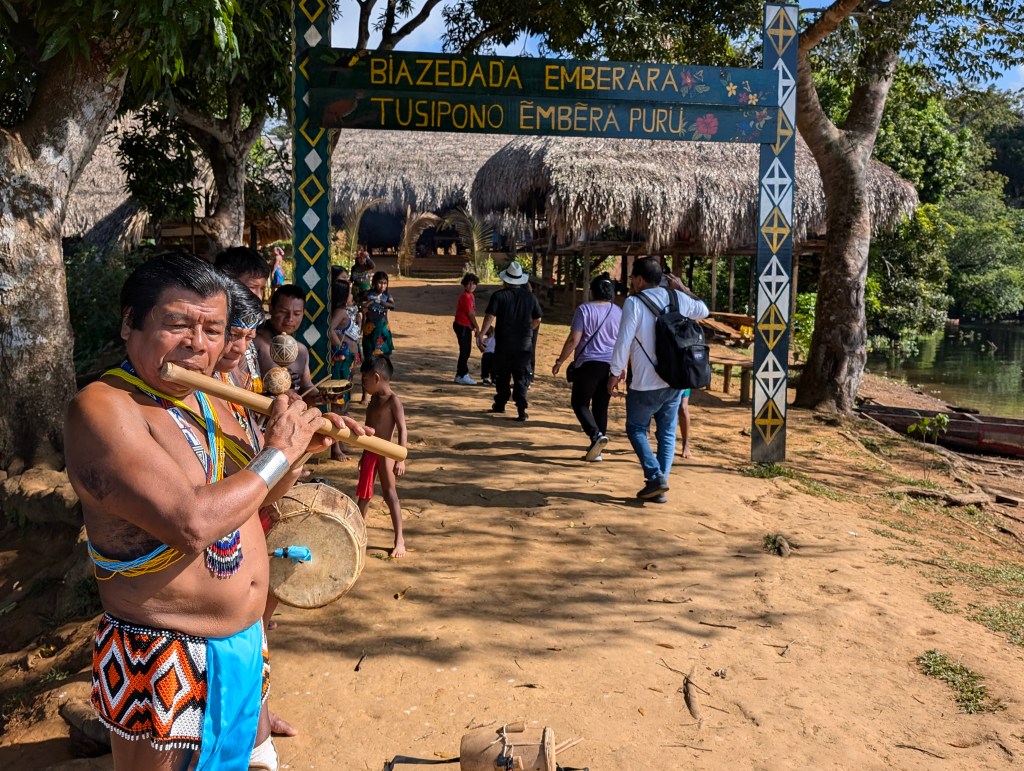
Music plays an essential role in Embera culture. Traditional instruments, such as the tambor (drum), are integral to their ceremonies and celebrations. Dance is also a vital aspect of their heritage, often performed during significant events, festivals, and rituals, showcasing their vibrant clothing and connecting the community through shared experiences.
Connection to Nature
The Embera people have a profound spiritual connection to the environment. Living in harmony with nature, they rely on the rainforest for food, medicine, and shelter. Their knowledge of the flora and fauna is vast, and they practice sustainable hunting and gathering, ensuring the preservation of their ecosystem for future generations.
Modern Challenges and Resilience
In recent years, the Embera tribe has faced several challenges, including encroachment on their land due to logging, agriculture, and tourism. Despite these pressures, many Embera communities are working to reclaim their rights, protect their land, and maintain their cultural identity.
Community Tourism
One way that the Embera people have begun to navigate modernization is through community-based tourism. By inviting visitors to experience their culture firsthand, they share their traditions, crafts, and way of life while generating income for their communities. Tourists can engage in activities such as guided forest tours, traditional cooking classes, and cultural performances, gaining a deeper understanding of the Embera culture while supporting its preservation.
Conclusion
The Embera tribe is a vibrant reminder of Panama’s rich indigenous heritage. Their resilience in preserving their traditions and adapting to modern challenges showcases the strength of their community spirit. As you explore the beauty of Panama, taking the time to learn about and support the Embera people can provide a meaningful connection to the cultural tapestry that enriches this incredible country.
In a world where globalization threatens to overshadow indigenous cultures, the Embera thrive as a beacon of resilience, showcasing the importance of cultural preservation and the deep bond between humanity and the natural world.
 Panama All About
Leave a comment