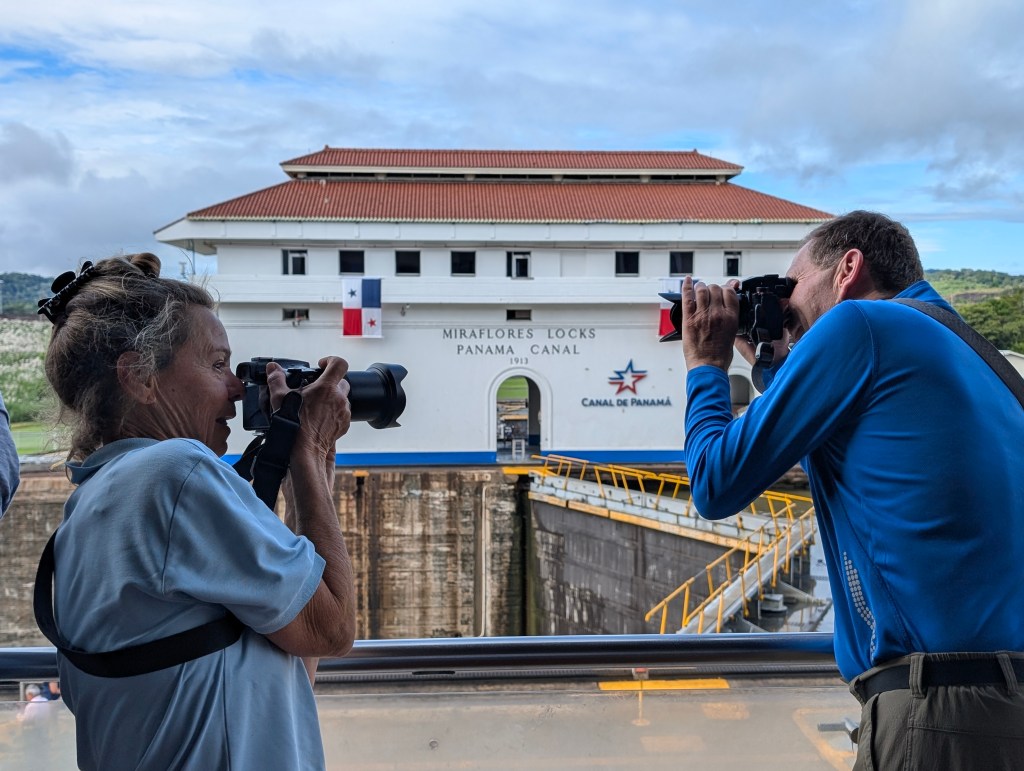
The Panama Canal, a renowned feat of engineering, stands as a testament to human ingenuity and ambition. Completed in 1914, this monumental waterway transforms shipping routes, connects the Atlantic and Pacific Oceans, and has played a crucial role in global trade for over a century. Let’s explore its history, significance, and the challenges it faces today.
The Panama Canal stands as a symbol of human innovation and determination, altering maritime trade forever. It not only demonstrates the remarkable capabilities of engineers and laborers of the past but also continues to play a pivotal role in shaping global trade patterns.
As the world evolves and new challenges arise, the canal must adapt to maintain its status as a key artery in international shipping. For travelers and trade enthusiasts alike, understanding the significance of the Panama Canal is essential to appreciating its impact on the world as we know it today.
A Brief History of the Panama Canal
The concept of creating a canal through the Isthmus of Panama dates back to the early explorers of the 16th century. However, it wasn’t until the late 19th century that serious attempts were made. The first attempt by the French, led by Ferdinand de Lesseps (the builder of the Suez Canal), was fraught with challenges, including tropical diseases and engineering difficulties, leading to its eventual failure in the 1880s.
In 1904, after the French endeavor collapsed, the United States took over the project and, under President Theodore Roosevelt’s leadership, successfully completed the canal in 1914. This monumental achievement required groundbreaking engineering techniques, including the construction of the Gatun Lake and the use of locks to raise and lower ships, making it navigable despite the region’s varied topography.
Engineering Marvel
The Panama Canal stretches approximately 50 miles, with a series of locks that raise ships up to 85 feet above sea level to cross the continental divide before descending back down. The Gatun Locks, Pedro Miguel Locks, and Miraflores Locks are significant features that facilitate the passage of ships through different elevations.
The canal allows vessels to avoid the lengthy and treacherous trip around the southern tip of South America, significantly reducing travel time and shipping costs. For example, a voyage from New York to San Francisco via the canal can take about 8-10 hours, compared to weeks if circumnavigating the continent.
Economic Impact
The Panama Canal revolutionized global trade, creating a shortcut for maritime shipping that has facilitated economic growth and international commerce. It is estimated that more than 14,000 vessels transit the canal each year, carrying about 5% of the world’s total trade.
The canal’s operation generates significant revenue for Panama, contributing to its economy and providing jobs for thousands. The fees charged to vessels using the canal have played a crucial role in funding public services and infrastructure projects throughout the country.
Expansion and Future Challenges
In June 2016, the Panama Canal underwent a major expansion, adding a third set of locks, known as the Panama Canal Expansion Project or the “Third Set of Locks.” This update allows larger vessels, referred to as Neopanamax ships, to transit the canal, accommodating the increasing size of modern maritime cargo ships. The expansion has further solidified the canal’s role in global trade dynamics.
However, the canal faces ongoing challenges, including environmental concerns, competition from alternative trade routes (like the Suez Canal), and the impacts of climate change on water levels and rainfall patterns. The maintenance and future development of the canal are crucial to ensuring its viability in the years to come.
Tourism & The Canal
Tourism at the Panama Canal offers an extraordinary glimpse into one of the world’s most extraordinary engineering feats, combining history, culture, and scenic beauty. Whether you’re an avid historian, a nature lover, or just looking to explore something new, the Panama Canal promises a rich experience that leaves a lasting impression.
Visiting the canal connects travelers to the essence of Panama’s identity and showcases the incredible narrative of human perseverance and collaboration. With sustainable tourism initiatives on the rise, future generations will have the opportunity to explore and appreciate this remarkable destination
Tourism at the Panama Canal: A Journey Through Engineering History
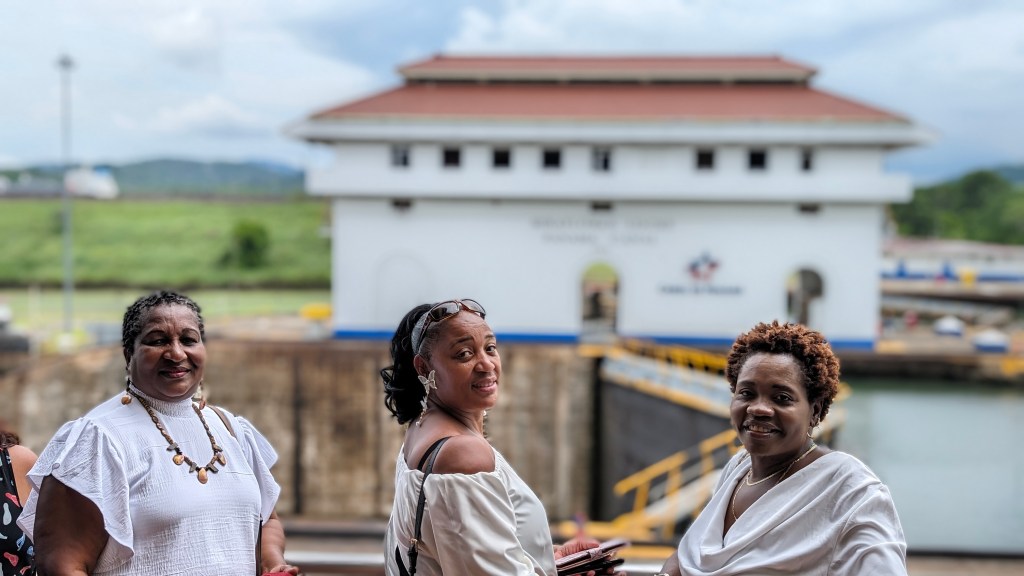
The Panama Canal is not just a marvel of engineering; it’s also a major tourist attraction that draws visitors from around the globe. Spanning approximately 50 miles, this historic waterway offers a unique combination of natural beauty, cultural heritage, and fascinating history, making it a must-visit destination for travelers in Panama.
Understanding the Appeal
Tourists are captivated by the Panama Canal for many reasons:
- Engineering Marvel: Completed in 1914, the canal is a testament to human ingenuity. Visitors are often amazed by the scale of the construction and the complexity of the systems used to raise and lower ships through the locks.
- Historical Significance: The canal’s construction involved remarkable challenges and innovation, relating to everything from the health crisis due to tropical diseases to the geopolitical dynamics of its creation. Understanding the historic context adds depth to the experience.
- Breathtaking Scenery: Nestled in the lush rainforests of Panama, the canal offers visitors stunning views of nature. Its surroundings are teeming with wildlife, including tropical birds, monkeys, and unique flora, making it an excellent backdrop for photography and exploration.
Key Tourist Attractions
When visiting the Panama Canal, there are several primary sites and activities that should not be missed:
1. Miraflores Locks Visitor Center
The Miraflores Locks Visitor Center is one of the most popular spots for tourists. Here, visitors can watch vessels navigating the locks and learn about the canal’s operations through informative exhibits and films. The center also features an observation deck where guests can capture unforgettable photographs of ships passing through the locks and enjoy panoramic views of the canal.
2. Gatun Lake
Gatun Lake is a vast artificial lake formed during the canal’s construction. It offers numerous recreational opportunities, including boat tours and fishing. Exploring the lake provides a unique perspective on the canal and its environment, with chances to see wildlife such as crocodiles and various bird species.
3. Pedro Miguel Locks
For those interested in diving deeper into the engineering marvel, the Pedro Miguel Locks offers another opportunity to observe the operation of the locks up close. The area is less crowded than Miraflores, providing a more intimate experience.
4. Canal Tours
Several tour operators offer guided boat trips through the Panama Canal, allowing visitors to experience the locks and the journey from one ocean to another firsthand. These tours often include explanations about the construction and history of the canal, enhancing the experience.
Cultural Experiences
In addition to the canal itself, tourism in Panama offers experiences to engage with local culture. Many visitors take the opportunity to explore nearby cities like Balboa and Panama City. Here, they can enjoy local cuisine, visit artisan markets, and learn about the rich multicultural history of the region.
Indigenous Communities
Visitors can also participate in tours that highlight the indigenous cultures of Panama, such as the Embera and Kuna tribes. These experiences provide insight into the customs, traditions, and crafts of these communities, further enriching a traveler’s understanding of the region.
Sustainable Tourism Efforts
As tourism continues to grow in the area, there is increasing awareness about the importance of sustainable practices. Efforts to promote eco-friendly tourism and conservation initiatives are crucial in preserving the delicate ecosystems surrounding the canal.
Many tour operators emphasize responsible tourism, offering environmentally-conscious activities that respect local wildlife and habitat. By encouraging travelers to support sustainable practices, Panama can maintain its natural beauty and heritage for future generations.
 Panama All About
Leave a comment