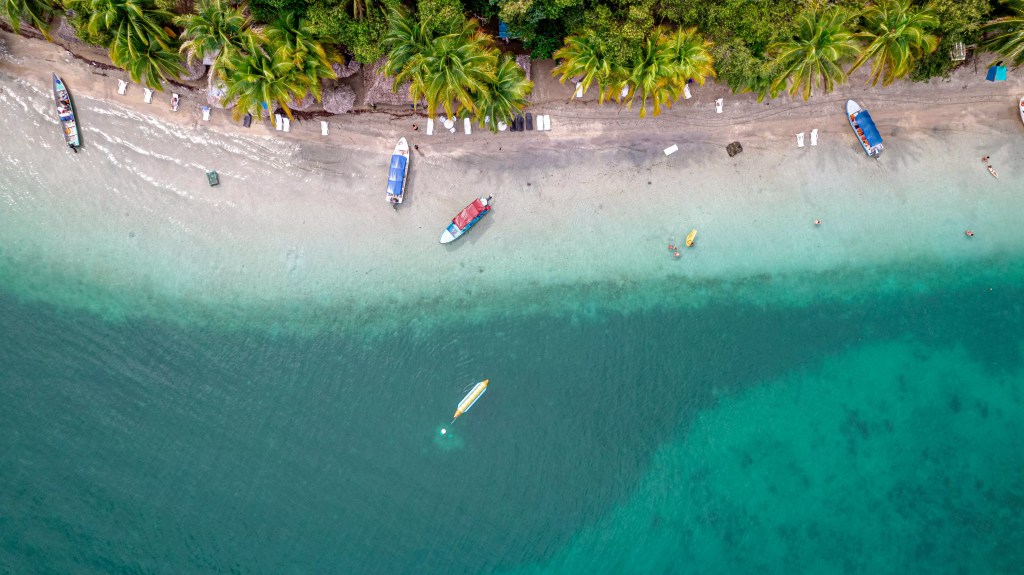
Bocas del Toro, an archipelago off Panama’s Caribbean coast, offers a mix of relaxed island life, rainforest adventure, and expat-ready infrastructure that makes it attractive for long stays. Whether you seek a work-from-paradise rhythm, a seasonal escape, or a cost-effective place to live, Bocas has options — each with trade-offs to consider.
Why people choose long stays:
– Climate and pace: Warm temperatures year-round, a laid-back Caribbean pace, and easy access to beaches and nature draw visitors who want to slow down.
– Cost: Compared with many North American or European cities, rent and daily expenses can be lower, especially if you choose local neighborhoods or longer-term rentals.
– Community: A mix of local Ngäbe-Buglé culture, Panamanian residents, and an international expat community creates a friendly, social environment.
– Activities: Surfing at Starfish Beach and Bluff, snorkeling near Zapatilla Cayes, boat tours, fishing, and jungle hikes keep months interesting.
– Connectivity: Bocas Town on Isla Colón has cafes, coworking spots, groceries, and an airport with flights to Panama City, making it practical for remote work or extended stays.
Types of long-stay accommodations:
– Monthly rentals: Apartments and small houses in Bocas Town and on nearby islands are commonly offered on a monthly basis. Expect basic to mid-range furnishings, reliable fans and often air conditioning for a premium.
– Long-term leases: For stays of six months or more, look for contracts on larger homes or beachfront villas. These typically require a deposit and local references.
– Guesthouse residencies: Many guesthouses and small hotels offer discounted weekly and monthly rates. They include services like cleaning and breakfast, which can simplify day-to-day life.
– Short-term furnished rentals (Airbnb/VRBO): Flexible and plentiful, these can be good for the first month while you scout longer-term options. Rates fall with longer stays. – Eco-lodges and volunteer placements: Some eco-lodges offer reduced rates for longer stays, often linked to volunteer or community work in exchange for accommodation.
Practical considerations:
– Visas and entry: Panama allows many nationalities visa-free or visa-on-arrival for stays up to 180 days. For longer residency, investigate the Friendly Nations Visa, pensionado program, or other legal residence paths well before your planned end date.
– Healthcare: Basic clinics and a small hospital exist in Bocas Town; for serious care, flights to Panama City are common. Carry travel health insurance that covers medical evacuation if needed.
Transport and access: Bocas has a small domestic airport with frequent flights to Panama City (roughly 1 hour). Boats connect the main islands; water taxis are the primary local transport. Plan for weather-related delays in the rainy season (May–December).
– Cost of living: Expect variation. Local markets and bakeries are affordable; imported goods, dining out in tourist spots, and utilities (especially AC and internet) increase costs. Budgeting roughly in line with mid-range Latin American living is sensible.
– Internet and work: Internet has improved but can be inconsistent. Coworking spaces and cafes in Bocas Town offer decent connections; those needing high reliability should test options or invest in backup mobile data. – Safety and health: Bocas is generally safe for visitors. Take routine tropical precautions: mosquito repellent, sun protection, safe food and water practices. Be cautious boating at night and heed local surf and weather advice.
Lifestyle tips for long stays:
– Choose your base: Isla Colón (Bocas Town) for convenience and social life; Isla Bastimentos for eco-vibes and quieter beaches; smaller cays for privacy but fewer services.
– Learn some Spanish: While many locals and expats speak English in tourist areas, basic Spanish eases daily life, negotiations, and deeper community ties.
– Embrace the rhythm: Shops may close midday, and plans shift with weather. Being flexible reduces frustration.
– Build local networks: Join expat and community groups, visit local markets, and try volunteering to meet people and discover off-the-beaten-path options.
– Plan for seasonality: The high season (January–April) brings more tourists and higher prices; the rainy season offers lower rates and lush scenery but more rain and rougher seas.
How to find long-stay deals:
– Local Facebook groups and community pages: Active and often list monthly rentals or house-sitting opportunities.
– Local real estate agents: Helpful for longer leases and legal paperwork.
– Hostels and guesthouses: Ask directly for monthly rates, especially in the off-season.
– Expat forums and blogs: Practical advice, contacts, and recent pricing trends.
– Book a short initial stay: Use a 2–4 week booking to scout neighborhoods, internet quality, and daily life before signing longer contracts.
Bottom line Bocas del Toro suits travelers and remote workers who value nature, community, and a slow pace over urban conveniences. With careful planning — especially around visas, healthcare, and internet needs — a long stay can be affordable, adventurous, and richly rewarding. Plan a short scouting visit first, line up reliable accommodation and connectivity, and you can comfortably enjoy months among coral reefs, jungle trails, and a vibrant island culture.
 Panama All About
Leave a comment